The Government has stepped up efforts to restore Nairobi’s rivers, with renewed emphasis on partnerships, improved waste management and protection of riparian areas to create cleaner and healthier urban ecosystems.
Environment, Climate Change and Forestry Cabinet Secretary, Dr. Deborah Mlongo Barasa and Lands, Public Works, Housing and Urban Development Cabinet Secretary, Alice Wahome, led a high-level development partners and diplomatic roundtable on the Nairobi Rivers Regeneration Programme.
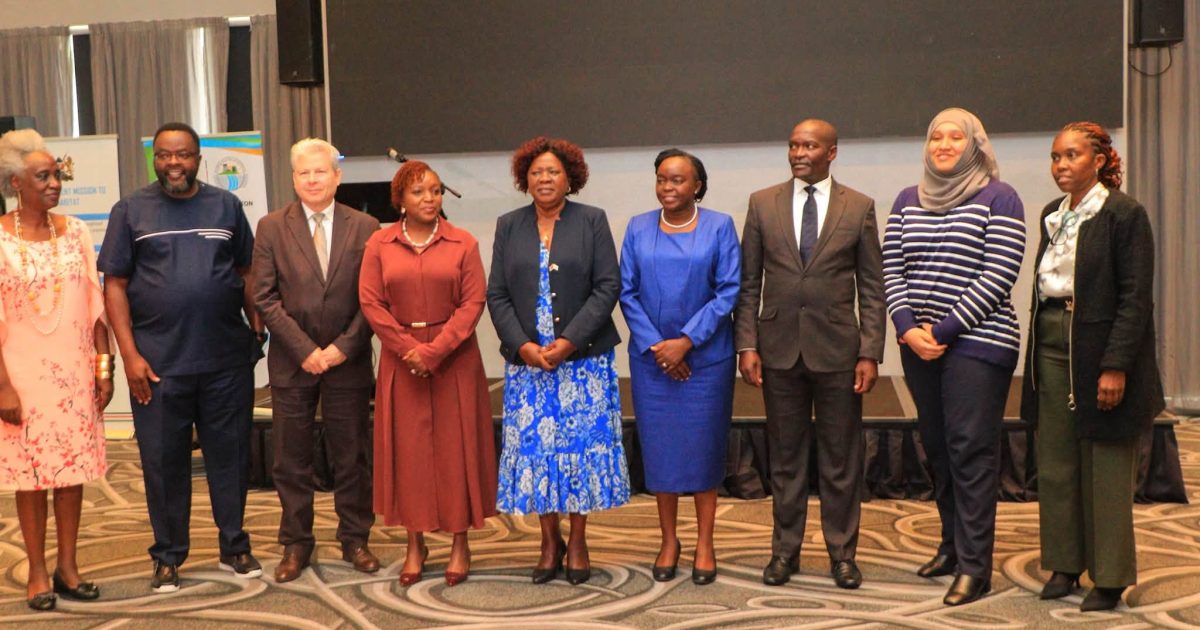
The meeting brought together development partners, diplomats, government officials and other stakeholders to strengthen collaboration and mobilise resources for the rehabilitation of Nairobi’s rivers.
Among those who attended were representatives from UN-Habitat, Ambassador Susan Nakhumicha, Water Principal Secretary Julius Korir, members of the Nairobi Rivers Commission and Director of Waste Management and Pollution Control Molu Wato.
Dr. Barasa said the restoration of Nairobi’s rivers required collective action from government agencies, development partners, communities and other stakeholders.
She said the rivers should no longer be used as dumping grounds but should instead be transformed into clean, safe and vibrant recreational spaces capable of supporting communities, protecting biodiversity and improving the quality of life for city residents.
The Cabinet Secretary said her ministry was strengthening partnerships and implementing measures aimed at improving waste management, protecting riparian areas and supporting practical interventions to restore degraded rivers and their surrounding ecosystems.
She noted that the regeneration programme goes beyond cleaning polluted waterways, saying it was also aimed at protecting public health, restoring dignity, creating green spaces and securing a healthier environment for future generations.
The Government’s renewed focus comes as Nairobi continues to grapple with pollution and degradation of its river systems, largely linked to poor waste disposal, encroachment on riparian areas and inadequate management of urban waste.
Dr. Barasa said sustained cooperation among stakeholders would be critical in transforming Nairobi’s rivers into clean, living corridors that contribute to the city’s environmental sustainability and overall development.
By Joseph Ng’ang’a